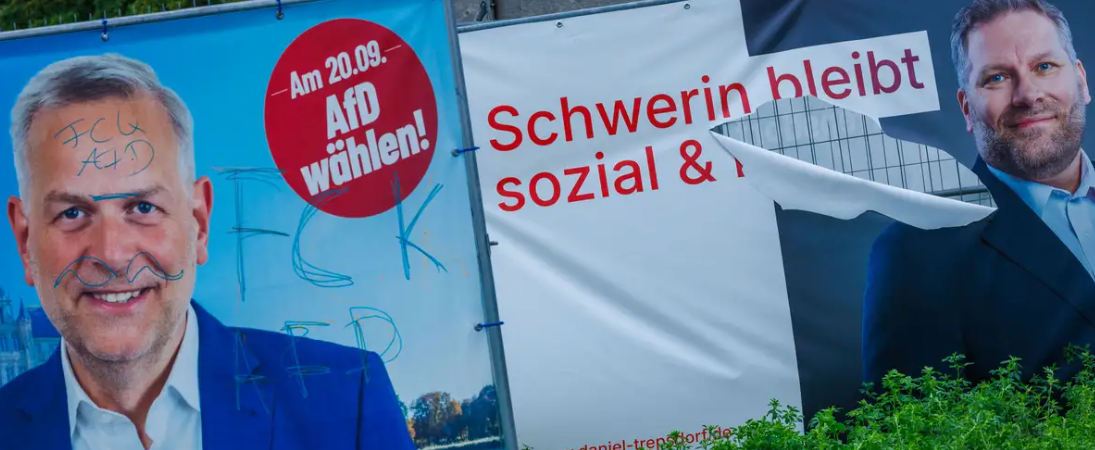
Recent German regional elections have triggered a massive political earthquake across the nation. Specifically, unexpected voter shifts have disrupted traditional party alliances in key regional parliaments. Consequently, intense questions are emerging regarding the federal coalition’s capacity to pass vital economic reforms. However, former Health Minister Karl Lauterbach insists that governing institutions remain far more resilient than critics claim.
Speaking in a recent interview, Lauterbach firmly pushed back against growing domestic political pessimism. Moreover, he warned against the common assumption that reducing social spending will automatically stimulate growth. Instead, he argues that economic stability requires a dependable and well-funded social safety net. Therefore, deep budgetary cuts could inadvertently undermine broader economic recovery efforts across Germany.
In addition to fiscal challenges, Lauterbach raised alarms over the accelerating global artificial intelligence race. Currently, Europe faces significant risks of falling behind global superpowers in technological innovation. Furthermore, rapid advancements in artificial intelligence present distinct regulatory and security risks that demand coordinated action. Consequently, German policymakers must act swiftly to safeguard European competitiveness on the world stage.
Strategic Fallout for EU Policy and Enlargement
Clearly, political fragmentation in Berlin directly affects broader European Union priorities. For instance, a weakened German government creates uncertainty for ambitious EU enlargement plans in the Western Balkans and Ukraine. Furthermore, prospective member states rely heavily on strong leadership and budget commitments from Berlin. If internal coalition disputes stall decision-making, accession timelines will inevitably face severe delays.
Moreover, ideological gridlock in Germany threatens European cohesion on joint fiscal and defense initiatives. As a result, smaller member states may struggle to find consensus on major EU-wide reforms. Ultimately, Germany must stabilize its domestic landscape to preserve both economic momentum and geopolitical credibility.