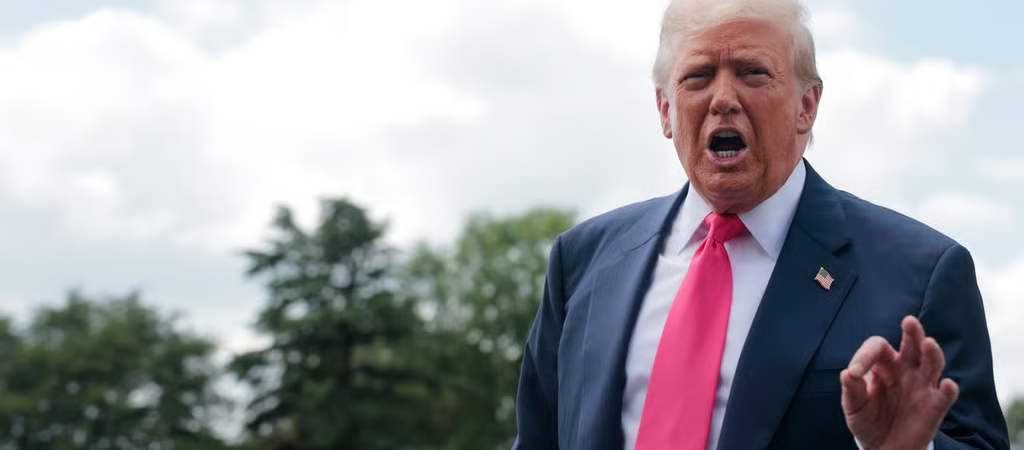
European leaders are preparing a defiant stand against Donald Trump. Specifically, Brussels wants tougher penalties on Moscow’s lucrative energy trade. However, the White House recently softened its stance. President Trump agreed to release Russian diesel onto the global market. Consequently, this move aims to suppress rising fuel prices across America. Yet, European capitals strongly oppose this strategy. They argue that easing pressure directly finances the Russian war machine.
A Fractured Transatlantic Alliance
Poland and Germany are spearheading this renewed economic offensive. For instance, Polish Prime Minister Donald Tusk stressed that Moscow utterly rejects genuine de-escalation. Therefore, he insisted that Brussels must escalate economic pressure immediately. Similarly, German Chancellor Friedrich Merz called for urgent action. Indeed, Merz noted that Russian forces continue to bomb Ukrainian civilian infrastructure. Meanwhile, non-EU partners like the United Kingdom and Norway also support the initiative. In fact, European ministers recently expanded their sanctions list with over 1,600 targets. Furthermore, the European Commission is currently preparing a 23rd package of sectoral restrictions.
Behind closed doors, European diplomats view Washington’s maneuver as driven by domestic electoral pressures. For example, American fuel prices surged following military conflict in the Middle East. Thus, Trump seeks fast price relief for voters ahead of upcoming midterm elections. Nonetheless, EU officials argue the energy agreement provides minimal price impact while substantially rewarding Moscow.
Strategic Impact on Enlargement and Defense Policy
This deepening rift carries massive consequences for European Union enlargement and regional security. First, candidate countries like Ukraine and Moldova face acute vulnerabilities from inconsistent American foreign policy. Therefore, Kyiv is binding its economic and military survival directly to European institutions rather than Washington. In addition, this friction speeds up defense integration across candidate and member states alike. As a result, the bloc must build sovereign industrial capabilities far more rapidly.
European Defense Commissioner Andrius Kubilius emphasized that Europe must take primary responsibility for regional defense. Moreover, candidate nations in the Western Balkans will face mounting scrutiny regarding their compliance with EU foreign policy. Ultimately, Trump’s unilateral actions are compelling the European Union to evolve into an autonomous geopolitical power.