
London has signaled a dramatic shift in its post-Brexit posture. Specifically, British Prime Minister Andy Burnham suggested free movement could return to the negotiating table.
This unexpected stance arrives just weeks ahead of a crucial bilateral summit in Brussels. However, Burnham insisted he has not finalized any formal government policy yet. Instead, he argued that shifting global migration patterns warrant a fresh, pragmatic discussion.
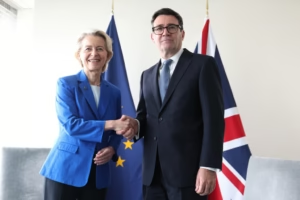
Previously, the Labour Party strictly ruled out returning to the European single market or free movement. Therefore, Burnham’s openness represents a striking departure from earlier campaign pledges. Nevertheless, the Prime Minister maintained firm limits on future integration.
For instance, joining the euro currency or the Schengen travel zone remains strictly excluded. Furthermore, negotiators plan to address climate standards and regulatory alignment during their upcoming November summit. Consequently, leaders hope to finalize meaningful trade compromises before the year ends.
Enlargement and Single Market Ripple Effects
Meanwhile, Brussels views these overtures through the lens of internal market integrity. EU officials have consistently guarded the four fundamental freedoms against British ‘cherry-picking.’ Thus, granting the UK market access without reciprocal obligations would provoke severe resistance among existing members.
In addition, this debate carries immense significance for aspiring EU candidate countries. Nations in the Western Balkans and Eastern Europe face rigorous accession criteria. As a result, offering bespoke economic privileges to London could trigger frustration in candidate capitals like Kyiv and Chișinău.
Moreover, several frontline member states remain focused on tightening external border controls. Ultimately, an evolving UK-EU relationship will test the resilience of the bloc’s broader neighborhood policy.