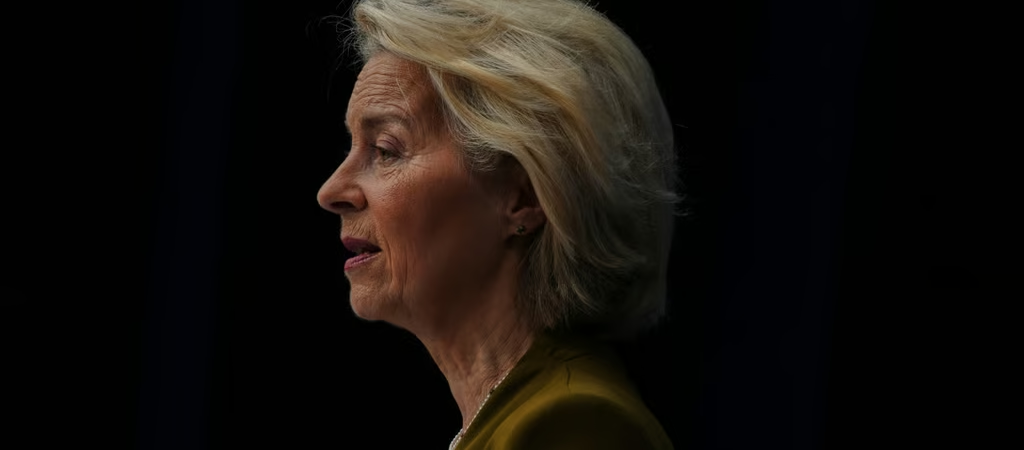
Leaders from Brussels and Ottawa are meeting in Montreal this week. However, their bold plans to rebalance global power face serious friction.
Canadian Prime Minister Mark Carney wants to unite middle-tier democracies. Specifically, he hopes to build a counterweight against great-power rivalries. In contrast, European Commission President Ursula von der Leyen envisions a Brussels-led democratic alliance. Therefore, their strategic roadmaps do not fully align.
Friction Over ‘Associate Membership’
Recently, von der Leyen proposed an unprecedented ‘associate membership’ for Canada. However, EU member states were largely caught off guard. For instance, diplomats in Berlin immediately pushed back against the vague proposal. Meanwhile, critics warn that announcing undefined labels creates needless confusion.
Trade tensions also complicate these high-level political talks. In fact, nine EU countries still have not ratified the CETA trade agreement. Furthermore, both economies are adopting protectionist industrial strategies. Canada favors ‘Buy Canadian’ rules for local procurement. Similarly, the EU is debating ‘Made in Europe’ preference clauses. Consequently, business groups fear new barriers could stifle bilateral commerce.
What This Means for EU Enlargement
The debate over Canada directly impacts European integration policy. In particular, candidate countries in the Western Balkans and Eastern Europe are watching closely. Indeed, talk of ‘associate status’ revives fears of a tiered Europe. As a result, aspiring members worry that Brussels might substitute full accession with watered-down partnerships. Moreover, key capitals remain wary of diluting the EU single market’s regulatory integrity.
Despite these divisions, both sides need tangible outcomes. Therefore, negotiators are exploring cooperation on artificial intelligence and student exchange programs. In addition, European leaders want Ottawa to commit more financial support for Ukraine’s defense.
Ultimately, forging a resilient democratic pact will require real economic concessions. Otherwise, grand diplomatic rhetoric will fail to protect either partner from geopolitical storms.