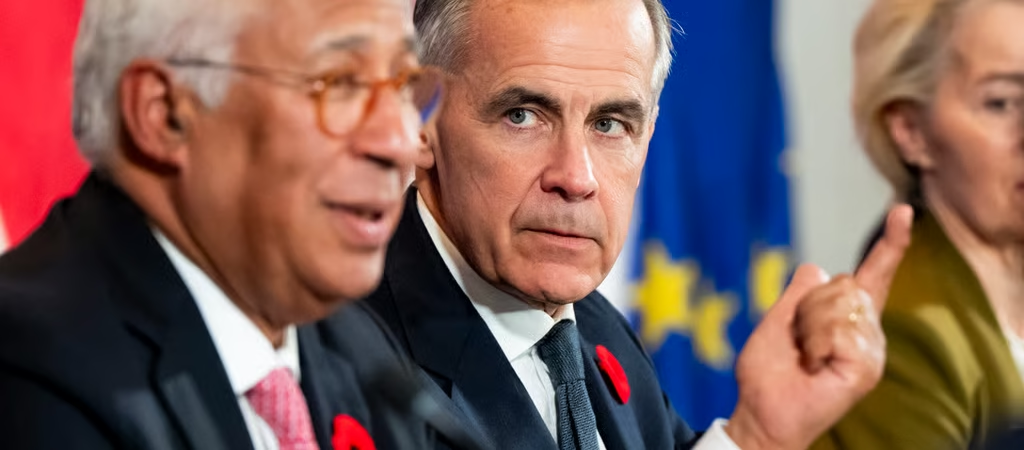
European Union leaders and Canadian officials gathered in Montreal this week to strengthen bilateral cooperation. Consequently, both partners are seeking fresh economic stability amid global geopolitical tensions. Specifically, Brussels and Ottawa want to diversify trade beyond the United States and China. However, officials remain determined to avoid unnecessary diplomatic friction with global powers.
Strategic autonomy sits at the very heart of this diplomatic push. For instance, the EU urgently needs alternatives to Russian fossil fuels and Chinese critical raw materials. Canada boasts abundant mineral reserves and massive liquefied natural gas capacity. Therefore, European manufacturers see the country as an indispensable supplier for green technology. In exchange, Canadian industries hope to access cutting-edge European tech and artificial intelligence investments.
The Associate Member Controversy
Meanwhile, talks were shadowed by a diplomatic debate over formal labels. Commission President Ursula von der Leyen previously proposed an “associate membership” concept for Canada. However, key member states like France and Germany pushed back against this terminology. As a result, diplomats compromised on broader phrasing during the summit sessions.
Canadian Prime Minister Mark Carney dismissed the naming controversy as a minor distraction. Furthermore, Carney emphasized that concrete industrial sovereignty matters far more than institutional titles. Both delegations confirmed their desire for mutual economic resilience above bureaucratic branding.
Real Deliverables on Trade and Energy
Beyond rhetorical labels, the summit produced tangible economic results. For example, both parties are concluding negotiations on a crucial digital trade agreement. In addition, the European Investment Bank will soon fund Canadian critical raw material projects. This financial backing directly secures supply chains for European electric battery manufacturers. Nevertheless, prominent energy ministers missed the gathering, raising minor doubts about immediate fossil fuel delivery.
Strategic Impact on EU Enlargement and Policy
This evolving relationship carries profound implications for wider EU enlargement policy. Currently, candidate nations in the Western Balkans and Eastern Europe seek full European membership. However, inventing new tiers like “associate status” risks muddying the traditional accession pipeline. Indeed, countries like Ukraine and Moldova demand full institutional integration, not watered-down partnerships.
Therefore, EU leaders must tread carefully when creating customized foreign arrangements. Moreover, prioritizing Canadian mineral partnerships might redirect investment away from aspiring member states in the Western Balkans. Ultimately, Brussels must balance its global resource drive against its regional commitment to European stability.