
Five EU member states are demanding urgent action on energy ties with the United Kingdom. Specifically, the leaders want Brussels to swiftly restore British access to the single electricity market.
In a joint appeal, Germany, the Netherlands, Denmark, Belgium, and Luxembourg addressed top EU officials. Therefore, they urged European Commission leadership to establish a clear negotiation roadmap before the upcoming summit.
A Massive Boost for North Sea Wind
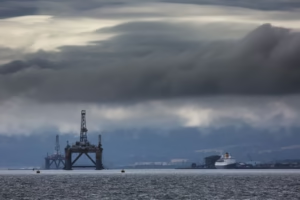
For example, ministers argue that cross-border access will transform the North Sea into a massive green powerhouse. Moreover, unified grid access could drastically lower consumer bills across northern Europe.
In addition, industry estimates reveal that British market exclusion already costs billpayers billions of pounds. However, diplomatic talks remain slow. Because negotiations face delays, diplomats now aim to conclude the deal by late 2027.
Meanwhile, the EU insists that London must pay into EU cohesion funds to participate. Consequently, financial terms remain a politically sensitive sticking point for British ministers.
Wider Deals on the Horizon
Despite these hurdles, bilateral relations continue to improve noticeably. Furthermore, negotiators plan to approve agreements on three other vital policy areas:
- Youth mobility initiatives
- Emissions trading integration
- Alignment on agri-food health standards
In contrast, energy integration requires deeper regulatory harmony.
Policy Analysis: Strategic Blueprint for EU Integration
From an EU policy perspective, this push shows how energy security reshapes standard single-market rules. As a result, member states are willing to offer sector-by-sector market access to critical non-members.
For candidate countries, this selective model creates an intriguing precedent. In fact, Western Balkan and Eastern European candidates seek similar gradual market inclusion before full accession. On the other hand, Brussels still protects single-market integrity by demanding budget payments. Ultimately, this balance proves that pragmatic energy needs can redefine relations without destroying fundamental EU rules.