
Brussels is overhauling its strategy to integrate prospective candidate countries while enforcing strict compliance standards across the region. European Commission President Ursula von der Leyen confirmed during her visit to Podgorica that the EU is actively preparing Montenegro’s borders to become official EU borders. Consequently, the bloc is shifting toward a dynamic, phased integration framework for its frontrunner candidate nations.
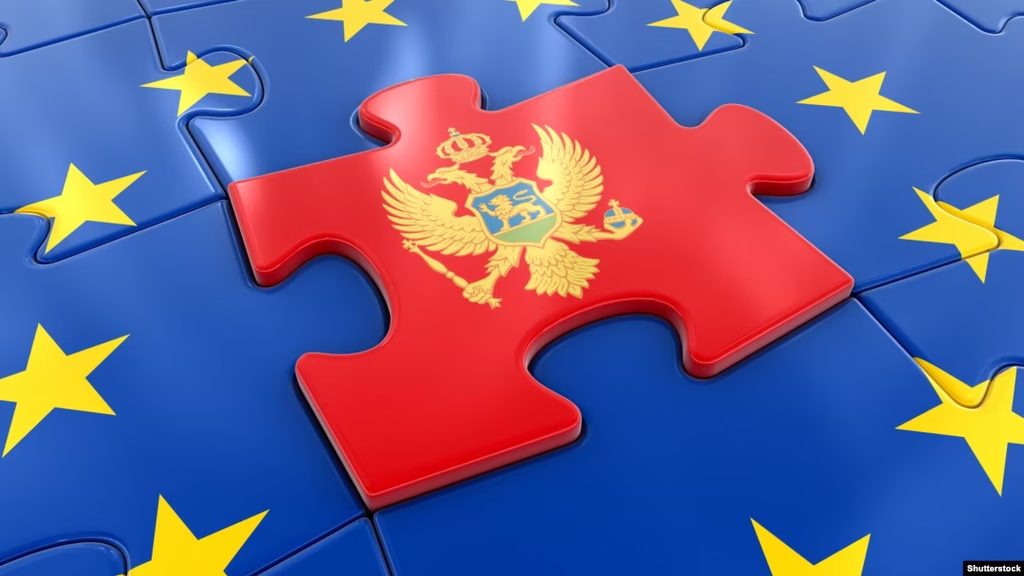
Instead of forcing candidate states to wait for full accession, Brussels is designing customized “roadmaps” for top contenders—specifically Montenegro, Albania, Ukraine, and Moldova. For example, these targeted plans will allow frontrunner countries to integrate into specific policy sectors and the Single Market step by step. Therefore, prospective members can gain partial economic access well before formal entry. Moreover, EU leaders are scheduled to evaluate these proposals during an upcoming strategic summit to accelerate membership timelines.
However, rapid expansion requires substantial internal overhauls within current member states. In addition, the European Commission is establishing strict governance rules for new entrants. According to pre-enlargement policy proposals, Brussels could impose financial penalties or suspend funds for any member state that breaches rule-of-law standards. According to EU enlargement roadmaps, combining sector-by-sector access with rigorous rule-of-law enforcement reassures cautious member capitals while keeping candidate nations committed to long-term democratic reforms.
Policy Breakdown: The Strategic Impact on Brussels & Candidate Nations
- Phased Single Market Integration: Frontrunner states like Montenegro can access specific economic sectors prior to full EU membership.
- Enforcing Rule-of-Law Guarantees: Financial withholding mechanisms ensure new members uphold democratic and legal obligations after joining.
- Internal EU Decision-Making Overhauls: Member states must adapt voting weights and agricultural funding to absorb future members without political gridlock.
Ultimately, these dual-track reforms signal that the European Union is shifting from decades of enlargement fatigue toward strategic geopolitical readiness. However, the real test lies in whether member states can successfully overhaul their internal voting structures while candidate nations sustain deep democratic momentum. If both sides deliver, Montenegro’s frontier progress could serve as the definitive blueprint for the next generation of EU member states.