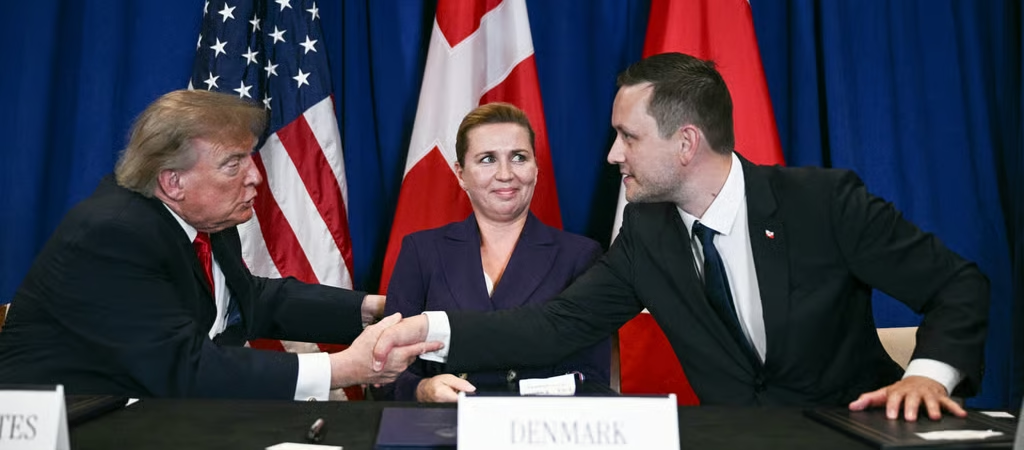
A high-stakes Arctic standoff has finally concluded. Specifically, the United States, Denmark, and Greenland signed a new trilateral security agreement at the United Nations. Consequently, transatlantic tensions have eased after months of turbulent annexation threats. However, deep questions remain about long-term stability and funding.
The new framework updates a 1951 bilateral defense treaty between Washington and Copenhagen. Significantly, Greenland is now included as a direct signatory for the first time. As a result, local authorities in Nuuk gain a formal voice in future security decisions. Under the deal, the Pentagon secures expanded access across key transit corridors. In addition, Washington plans to upgrade historical base locations at Narsarsuaq and Mestersvig.
Furthermore, the pact creates strict barriers against strategic adversaries. For example, non-NATO nations cannot establish military installations anywhere on the territory. Moreover, outside powers cannot explore critical raw minerals without explicit consent from all three signatories. Therefore, the agreement shields vital Arctic supply chains from Chinese and Russian commercial interests.
Implications for EU Security and Member States
For the European Union, the resolution brings immediate relief to a Nordic member state. Indeed, Danish diplomats successfully protected their territorial sovereignty through multilateral negotiation. Nevertheless, the preceding diplomatic crisis exposed severe vulnerabilities in European strategic autonomy. Because Washington previously threatened punitive tariffs, EU leaders are accelerating efforts to bolster independent defense capabilities.
Meanwhile, the restrictions on mining will directly impact broader European industrial policies. Greenland holds massive reserves of rare earth elements essential for the green transition. Consequently, Brussels must coordinate closely with Greenland and Denmark to secure vital supply chains. Similarly, EU candidate countries in Eastern Europe view this crisis as an instructive test of Western alliance solidarity. Ultimately, the agreement demonstrates that robust diplomacy can successfully deter aggressive unilateral rhetoric.