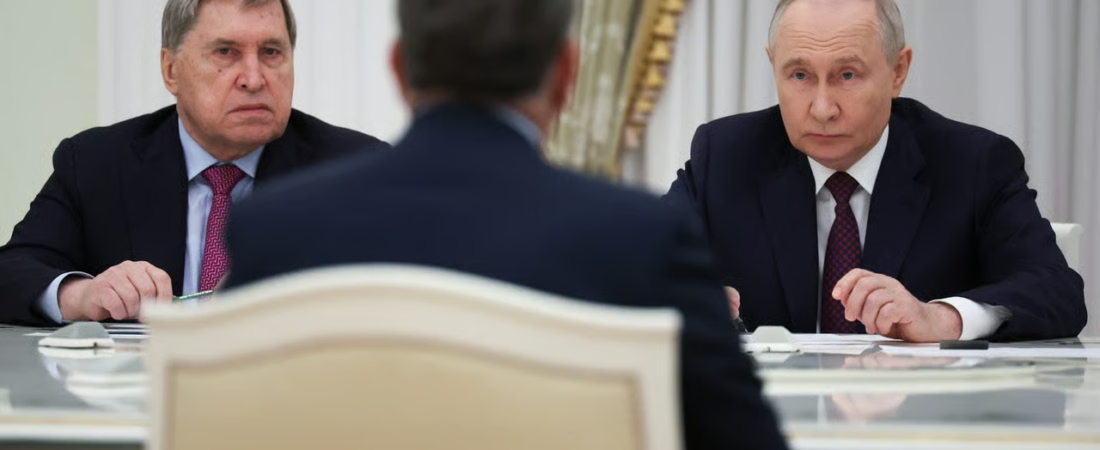
Recent diplomatic discussions in Abu Dhabi marked an alarming shift in Ukraine diplomacy. Indeed, American envoys accepted Moscow’s demand for an all-encompassing peace package. Jared Kushner and Steve Witkoff represented Washington in these high-stakes discussions. Meanwhile, Russian delegates celebrated a key procedural triumph.
Traditionally, international diplomats rely on strict sequencing during peace negotiations. For example, envoys usually secure an immediate ceasefire first. However, the new framework discards this phased approach entirely. As a result, Washington and Moscow now want to resolve every disputed issue at once.
Moscow’s Strategy of Tactical Delays
Clearly, experienced analysts caution that this all-or-nothing approach heavily favors the Kremlin. In fact, tackling every conflict simultaneously usually leads to total deadlock. Therefore, critics argue that Russian President Vladimir Putin is merely playing for time. Furthermore, Moscow aims to drain Western resolve through endless procedural wrangling.
Historically, Russia has used prolonged discussions to stall military opposition. For instance, similar tactics were deployed during Syrian negotiations years ago. Consequently, Ukrainian officials warn that Moscow wants to weaken Western unity. But Russian demands on the battlefield remain completely unchanged.
Impact on EU Enlargement and Member States
This development carries profound risks for European Union policies. In particular, Brussels sees EU enlargement as a vital cornerstone for continental stability. However, any deal demanding permanent Ukrainian neutrality directly threatens Kyiv’s accession pathway. Moreover, EU capitals strongly reject any security pact crafted without their direct participation.
In addition, front-line member states fear that a rushed grand settlement will invite future Russian aggression. For this reason, Baltic and Nordic leaders insist on maintaining firm military support for Ukraine. Thus, the European Union must prepare to assert its own independent foreign policy stance. Otherwise, external powers could redraw Europe’s borders without European consent.