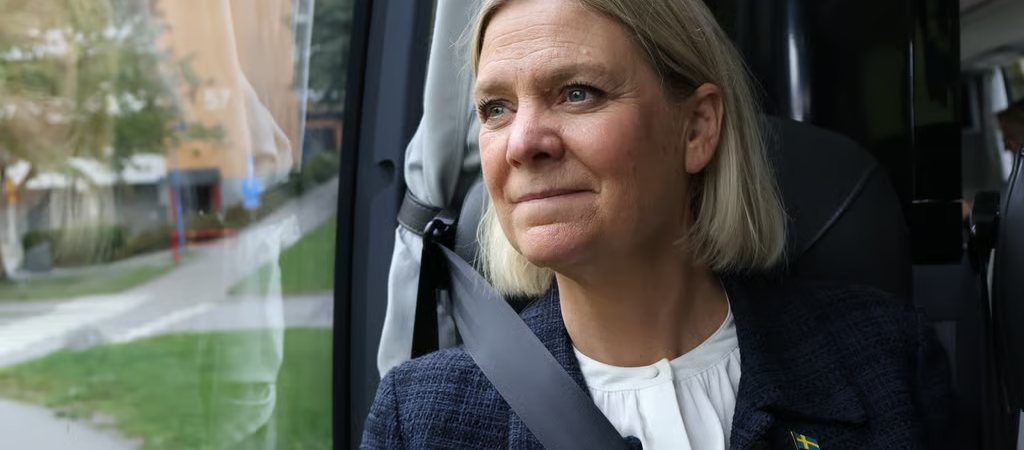
Sweden’s Magdalena Andersson is preparing to return as prime minister following a close election victory. Consequently, the Social Democratic leader is already outlining an ambitious agenda for European Union reform. In particular, she wants Brussels to wield significantly greater power on the global stage. Therefore, Stockholm plans to push for faster decision-making across the continent.
Currently, EU foreign policy requires unanimous backing from all 27 member governments. However, Andersson argues this veto rule severely weakens Europe during international crises. For example, previous sanctions against Russia faced repeated delays from individual capitals. She firmly believes the EU must adopt qualified majority voting to remain effective.
Targeting Frozen Russian Assets
In addition to voting reforms, Andersson advocates for decisive financial action to support Ukraine. Specifically, she wants the EU to seize immobilized Russian sovereign assets immediately. Some member states, including Belgium, have previously hesitated due to legal risks. Nevertheless, Andersson insists that European leaders must resolve these legal hurdles quickly. Furthermore, using these funds will protect the EU’s common budget from excessive strain.
Implications for EU Enlargement and Governance
Andersson directly links the removal of national vetoes to the future expansion of the bloc. Indeed, she emphasizes that institutional reform is inevitable as new candidates prepare to join. Countries like Ukraine and several Western Balkan nations are advancing their accession bids. As a result, managing a bloc of 30 or more members under unanimity rules would create permanent paralysis.
Moreover, her stance provides fresh momentum to the Franco-German push for pre-enlargement institutional overhauls. However, smaller member states frequently resist giving up their national vetoes. They fear losing influence over crucial geopolitical decisions. Andersson’s backing nonetheless proves that Nordic members can support deep integration when European security is at stake.
Meanwhile, Andersson also champions stronger global partnerships outside the bloc. For instance, she urges closer cooperation with Canada, Japan, and the United Kingdom. Ultimately, Sweden is positioning itself as a proactive leader in shaping a more muscular and resilient European Union.