The UK government is currently reconsidering its tariff policy on Chinese electric vehicles. However, ministers face a difficult balancing act between domestic exports and European cooperation.
Brussels is demanding that London increase duties on Chinese cars. As a result, the EU wants to prevent Britain from becoming a backdoor for subsidized imports into the single market. In addition, this alignment has become a precondition for the UK to access the EU’s planned “Buy European” subsidies.
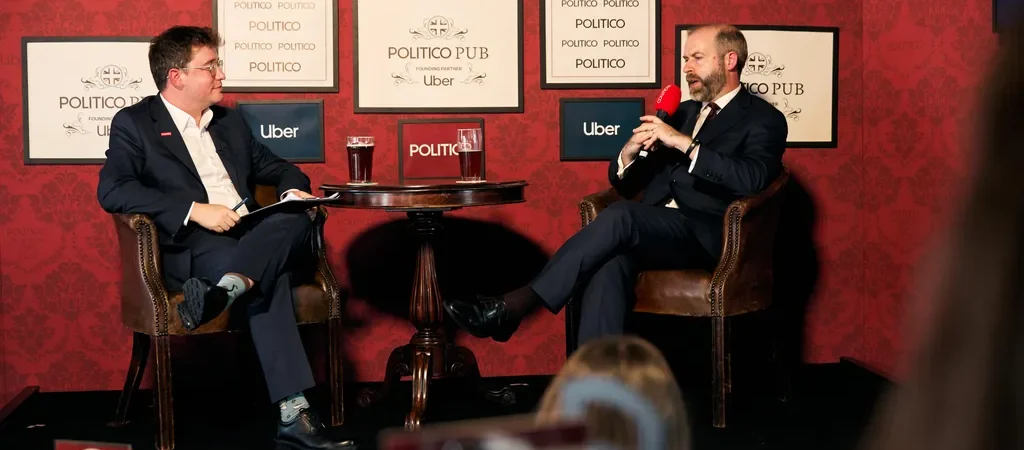
British Business Secretary Jonathan Reynolds confirmed the sensitive situation during a recent industry discussion. He noted that the issue remains under very active review. Furthermore, Reynolds warned that trade tariffs could trigger harsh retaliation from Beijing. Because Britain depends heavily on automotive exports, any retaliatory measures would hurt local manufacturers.
Nevertheless, London desperately seeks access to EU green supply chains. Automotive lobby groups warn that excluding the UK from the Made in Europe program could cost the EU economy €24 billion. For instance, several Chinese firms are already exploring investment in British factories, including a partnership at Nissan’s Sunderland plant.
Impact on EU Policy and Candidate States
This dispute highlights the growing cost of market access for non-EU partners. Therefore, the bloc is actively enforcing its trade defense framework far beyond its own borders. Candidate countries and neighborhood partners now face identical pressures. For example, Western Balkan states must carefully weigh their economic ties with China against their EU accession goals. Moreover, Brussels will not tolerate regulatory loopholes that undermine its industrial defenses. Consequently, third-country integration will increasingly depend on strict alignment with EU trade security measures.