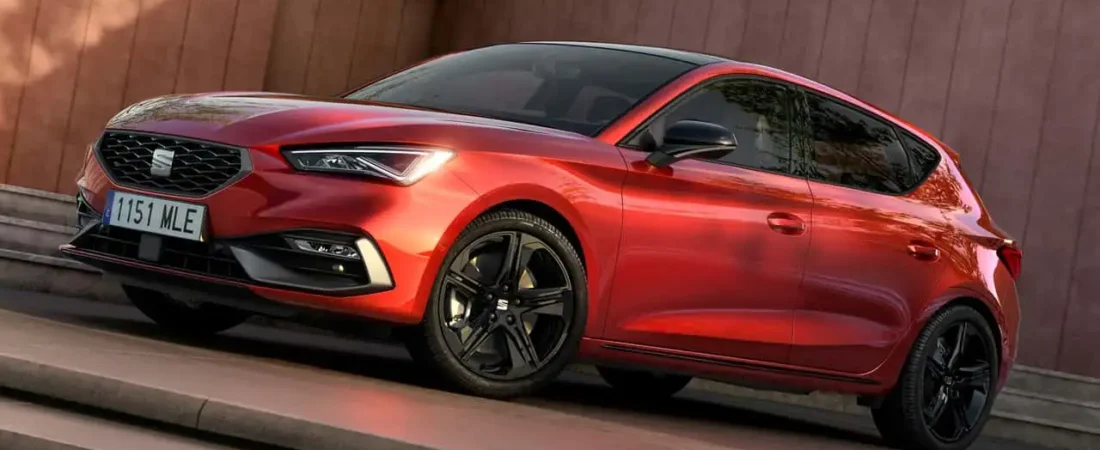
Volkswagen Group may discontinue its iconic Spanish car brand, Seat, by the end of the decade to focus resources on Cupra.
Key Takeaways
- Decisive Board Proposal: Internal documents show VW Group’s management board approved a plan to phase out Seat by 2029.
- Shift to Cupra: Volkswagen will pour investments into its thriving spin-off brand, Cupra, as Seat sales continue to drop.
- Resource Management: Continuing Seat in its current form ties up critical resources during a challenging economic period.
Internal Documents Point to Seat’s Exit
German publication WirtschaftsWoche obtained internal documents outlining VW Group’s plan to discontinue VW; seat; discontinue by 2029. Maintaining the brand requires extra capital. However, Volkswagen needs those funds elsewhere to remain competitive. The management board approved the proposal, sending it directly to the supervisory board for review.
Cupra’s Rise vs. Seat’s Decline
Cupra began as Seat’s performance badge before spinning off into an independent brand nearly a decade ago. Since then, Cupra’s popularity has surged rapidly. For example, new releases like the Tavascan and Terramar continue to drive sales higher. Overall, Cupra is becoming the clear future focus for the entire conglomerate.
The End of a 70-Year Legacy
Seat (Sociedad Española de Automóviles de Turismo) was founded in May 1950 as a joint venture with Fiat. Volkswagen Group acquired a 75 percent majority stake in 1986. Consequently, Seat became a core subsidiary. However, as VW faces global market pressure, VW; seat; discontinue could streamline its portfolio and back the brands driving growth.

European Car Manufacturing Under Siege
Volkswagen’s strategic retreat from Seat is not an isolated event. Instead, it reflects a broader existential crisis across European car manufacturing. Decades-old industrial players are facing structural headwinds, including high energy costs, rigid labor structures, and the massive capital demands of software-defined electric vehicles (EVs). Retiring redundant brands like Seat allows conglomerates to cut legacy overhead and protect operating margins.
China’s Growing Momentum in Europe
Chinese automakers—led by BYD, SAIC (MG), and Geely—are rapidly capturing market share across Europe. By building highly integrated, low-cost battery supply chains, Chinese brands offer feature-rich EVs and plug-in hybrids at prices European legacy brands struggle to match.
Despite protective tariffs imposed by Brussels, Chinese manufacturers are adapting fast. They are actively building regional assembly plants inside the European Single Market (e.g., in Hungary and Spain) to bypass import duties entirely.
Economic Effects & Link to EU Enlargement
- Industrial Deindustrialization: The influx of competitive Chinese imports threatens lower-tier European manufacturing plants. As European OEMs scale back production, widespread job losses and plant closures remain a significant threat in traditional automotive hubs.
- Shift to Eastern & Southern Europe: To remain cost-effective, European carmakers are relocating supply chains internally. Furthermore, potential EU enlargement into the Western Balkans (e.g., Serbia) offers European OEMs access to lower labor costs, raw materials (such as lithium), and nearshore opportunities directly adjacent to the Single Market.
- Geopolitical Pressure on EU Unity: China’s targeted automotive investments in candidate countries and specific EU member states (such as Hungary) create political friction. Consequently, foreign automotive investment is becoming a key bargaining chip in negotiations over EU trade policies and future enlargement strategy.